The lost-click map
Every live ad, plus every ad that has run 60 days or more, logged with its hook, angle, format and run length. Each sits next to the first phone screen it lands on, with the line where the story breaks marked.
For health and supplement brands whose best Meta ads tell a story
Your best ad already did the hard part. She stopped, read to the end and tapped. I build the page that answers what the ad left open, and test it against your product page with your own traffic, split at random. Before you pay anything, I'll map one of your ads so you can judge the work.
Twelve builds a month across every brand. No minimum term.
See a sample map firstFor two years I woke up at 3:12 every night. Not 3. Not 3:30. 3:12. I tried melatonin, tea and a new mattress before I found out why my body kept waking me.
The problem
It's late and Ads Manager is open. One ad has the cheapest clicks in the account: people stop on it, read it and tap. Its cost per purchase is still worse than ads with half its click-through rate. It's easy to call that the wrong audience or creative fatigue.
Here is what happens after the tap. She's on the couch at ten at night, thumb moving. Your ad stops her because it's about the one thing she has. It shows a woman her age with one problem and tells one story. She wants the rest of it, so she taps.
She lands on a page built for everyone who will ever buy the product. There's a gallery, a price and a buy box above the fold, then a list of benefits in which the one she clicked for comes fourth. She wanted to know what's wrong, how this fixes it, and whether women like her say it worked. She closes the tab.
So you do what the dashboard tells you. You brief new creatives, raise the budget and watch CPA climb, then cut back and brief again. The ad takes the blame for a problem that starts after the click.
The question is where the story continues, not "presell or product page". Sometimes the answer is a product page rebuilt around the angle. Sometimes it's an advertorial or listicle that answers what the ad left open and then hands her to the product page. A test against your current page settles each case.
How it works
I find the line where the ad's story stops, build the page that picks it up there, and make it beat your product page in a randomized test.
Every live ad, plus every ad that has run 60 days or more, logged with its hook, angle, format and run length. Each sits next to the first phone screen it lands on, with the line where the story breaks marked.
The headline answers the hook she clicked, and the first image is the ad's own scene.
The page answers what the ad left open: her objections, how this compares with what she has tried, proof from people like her, and what the first weeks feel like.
Every claim traces to the ad, a real review or a study.
Every new page runs against the page your ads use today, with traffic from the same ads split at random.
The metric, the sample and the end date are written down before launch.
Losing tests are logged next to the winners.
From the daily teardowns
Checked on the public Meta Ad Library and the live pages, 21 Oct 2026.
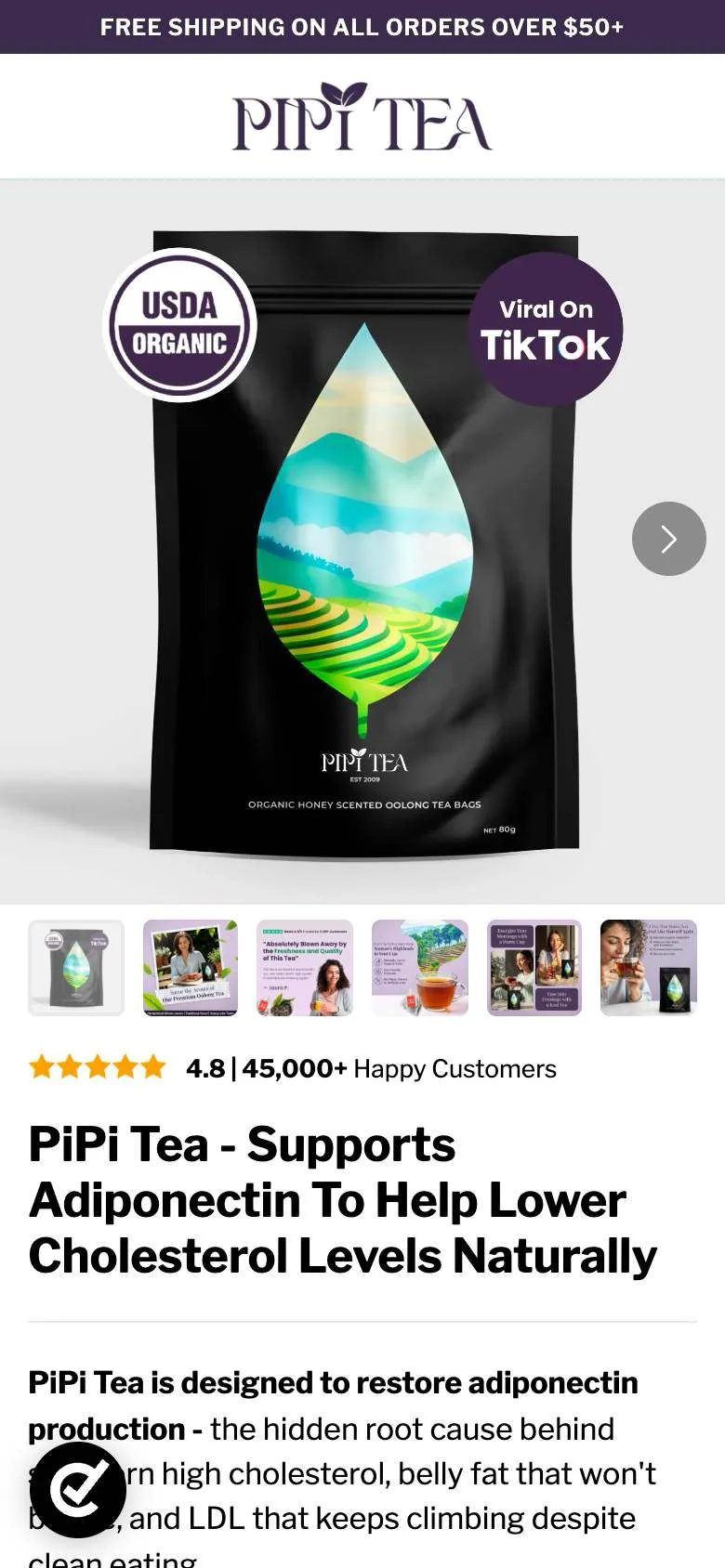
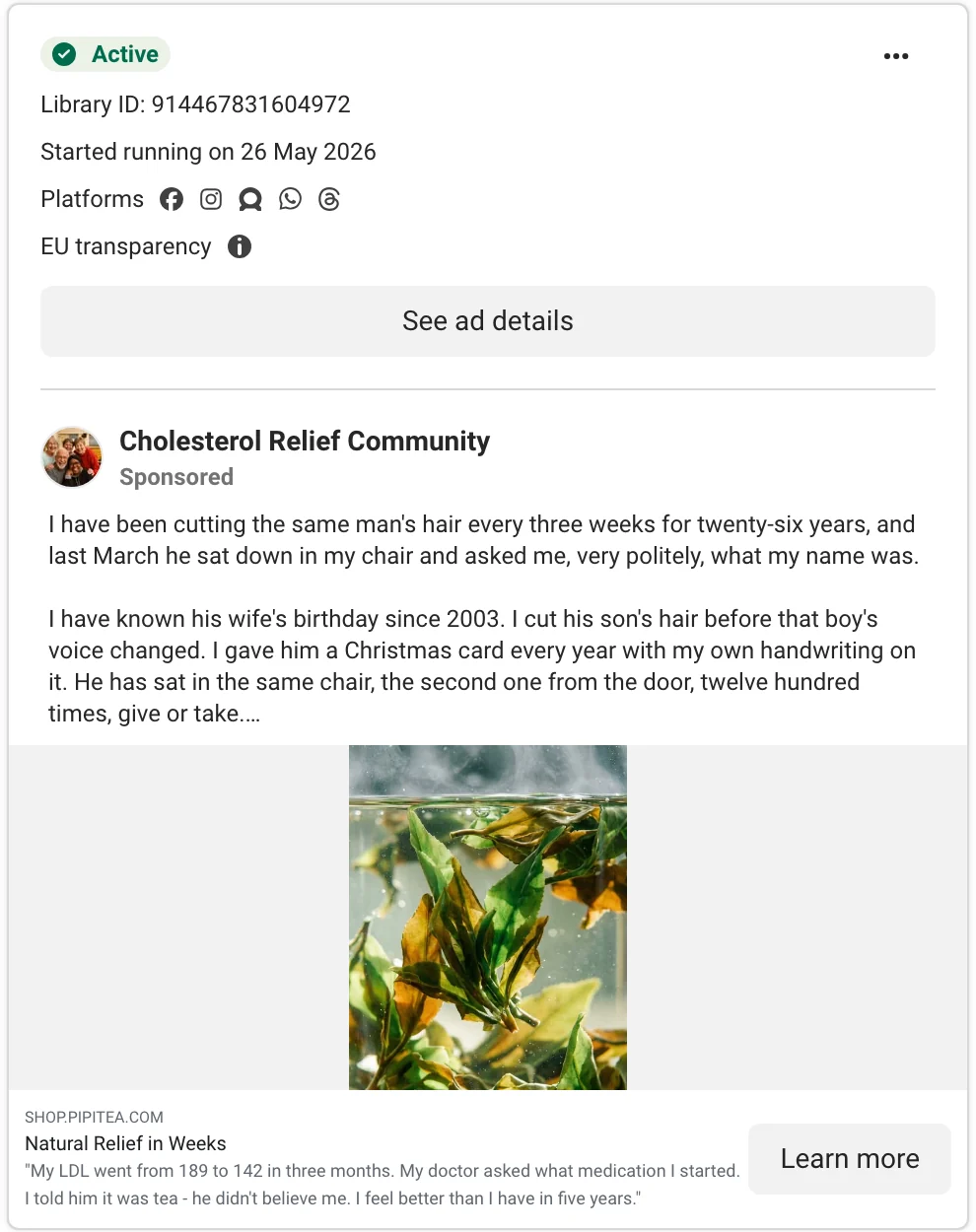
The 8 live ads I checked are full stories, 2,999 to 10,973 words long. The barber story never names adiponectin. The page it lands on opens with it.
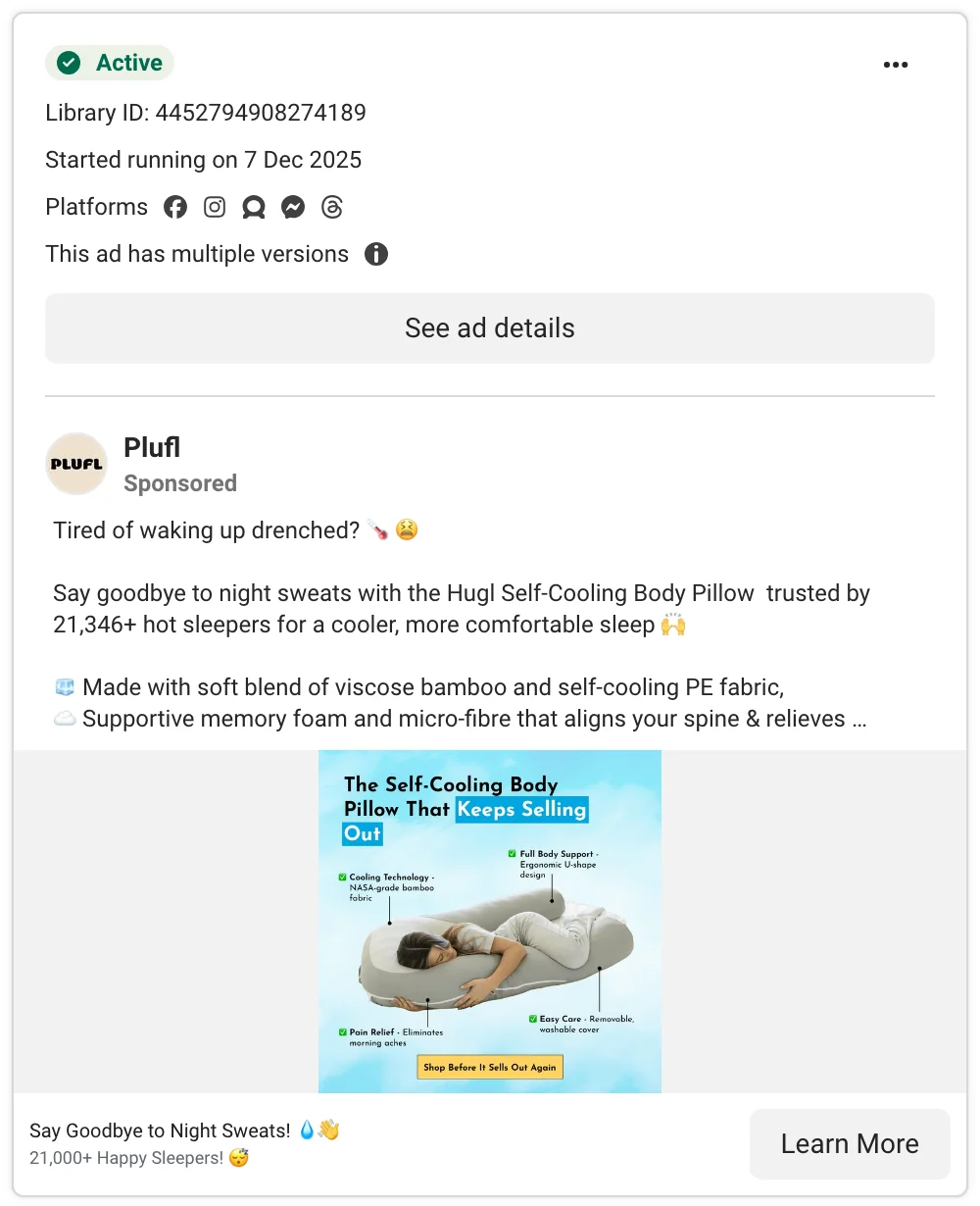
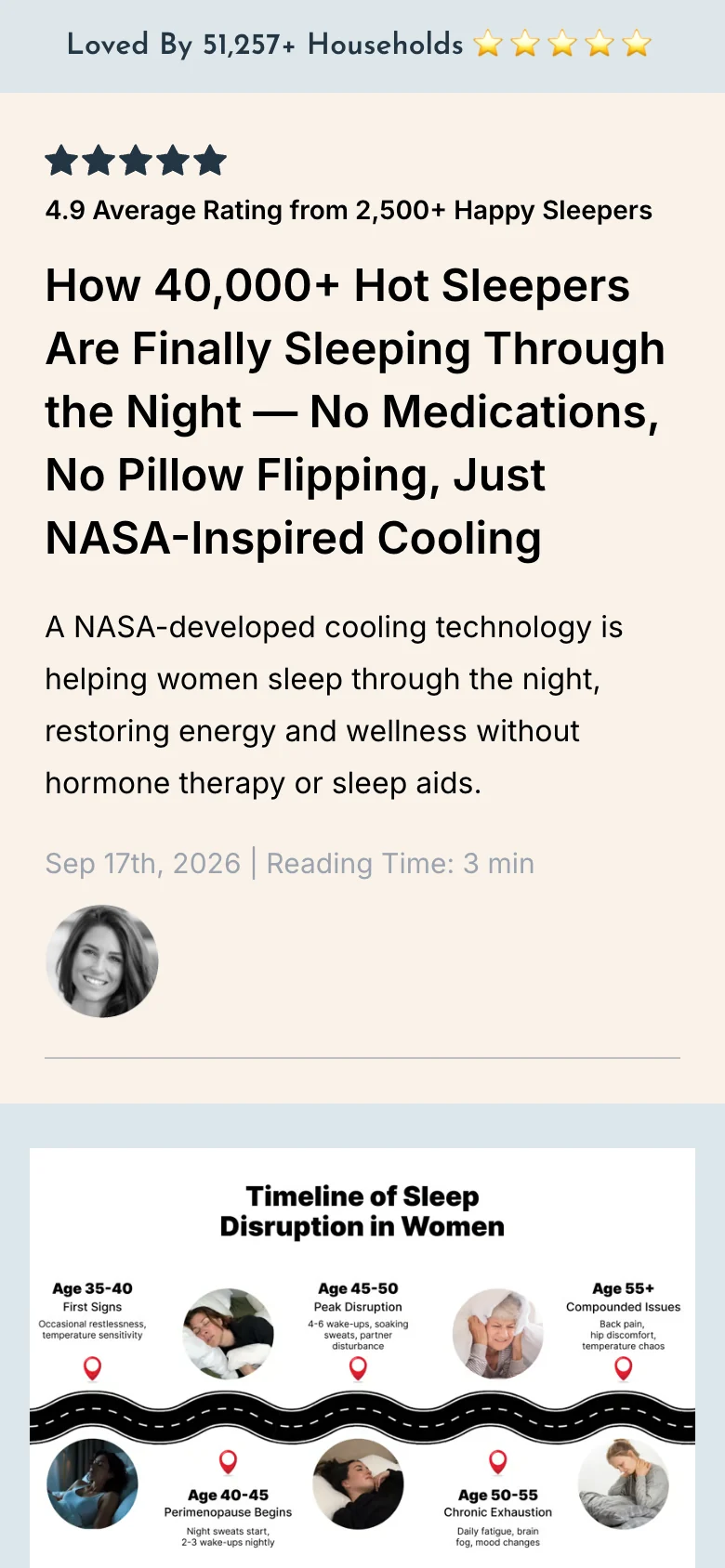
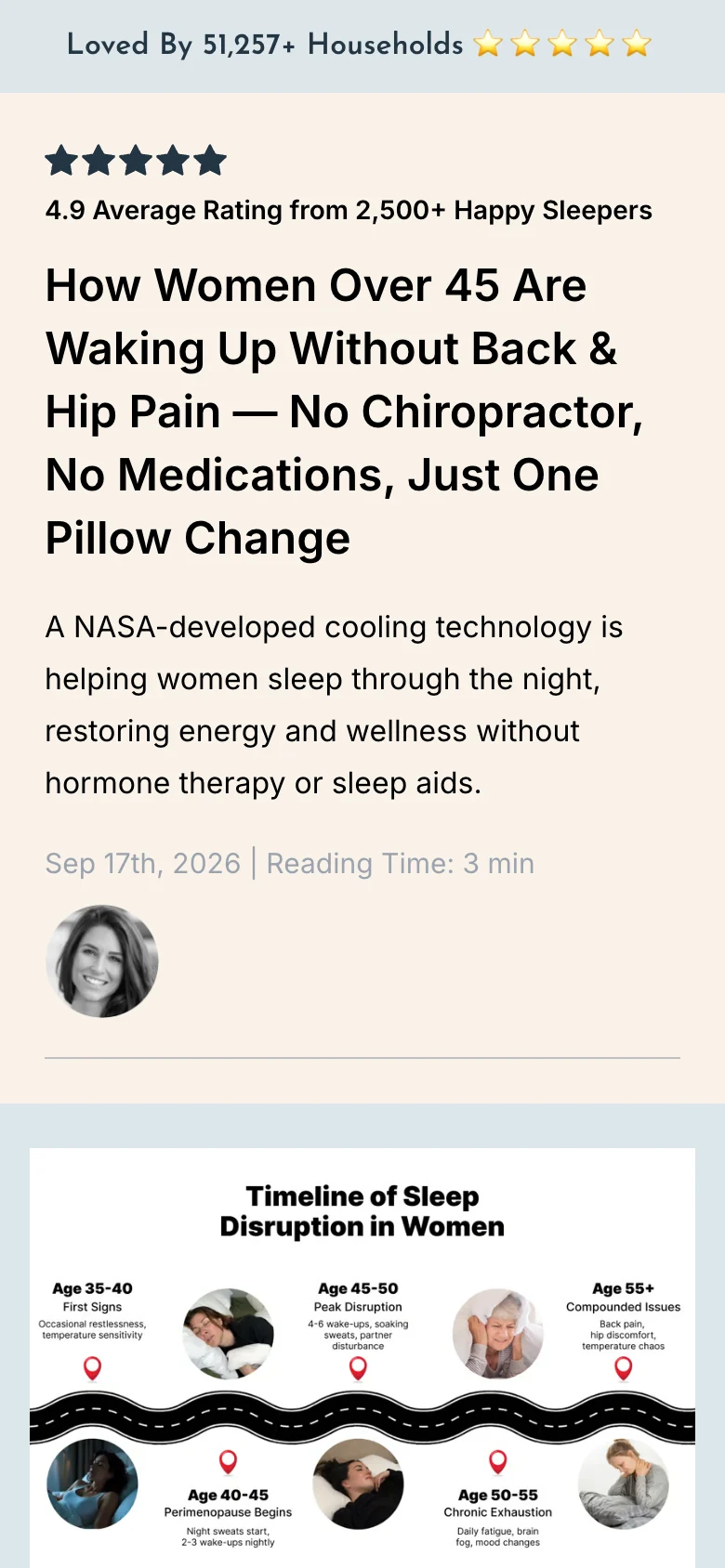
Eight live ads promise an end to night sweats. The advertorial splits three headlines at random, and only one uses the ad's words.
What you get
Before you pay
$0
Send me your top-spending ad, or I'll pull it from the Meta Ad Library. You get it back next to the first phone screen it lands on, with the line where the story breaks marked. It's yours to keep.
Step 1
$600
Live within 7 days of access. Credited to month one if either program starts within 14 days.
Live within 7 days of access, set up to run against your product page in a random split. The page is yours either way.
Step 2
Monthly
For brands spending $50,000 to $100,000 a month on Meta. Priced on the call, once I've seen your numbers. No minimum term, 30 days' notice.
When a page beats your product page, the next step is the Beat-Your-PDP Program.
Step 3
Monthly
For brands spending $100,000 or more a month on Meta. Priced on the call, once I've seen your numbers. No minimum term, 30 days' notice.
If no page or test has beaten your control in a randomized test by the end of month three, month four is free.
No button colours. Every test is a big swing: the first screen after the click, the page itself, the offer, or what she's offered after she buys. I don't add new apps or third-party scripts to your store.
It holds when:
And three more:
The first 30 days
Your first page: built for your top ad on a proven reference page, with her words and the claims, promise and tracking checks inside, then live against your product page in a random split.
Win terms signed and controls named. The post-purchase offer is built for your approval. You see three lead options for the next page, picked by the spend behind it.
The next page built, checked on a phone and launched into a randomized split against your product page. The post-purchase offer goes live by day 14.
Builds three and four. Your first page keeps running to its planned end date. Every test shows on the live test board.
Fit
Why me
I'm a direct-response copywriter. I choose the angle, judge every lead and sign off every line, and no junior or account manager sits between us.
I start from your ad. Before you pay, you'll see one of yours mapped to the page it lands on, with the break marked.
You can read the work first: advertorials I wrote for a US supplement brand on cold Meta traffic, built without an invented doctor or publication, and the pages I build every week for a DTC device brand's winning ads. I open them on a call.
I earn more than the base only when a randomized test you can check in your own Shopify says I won, and losing tests go in the same log as the wins.
I cap the work at twelve builds a month across every brand, with no minimum term.
Questions
It might. If it does, it stays. Your product page is the control, and nothing I build replaces it until it beats it in a randomized test. Sometimes the best answer is a product page rebuilt around one angle. If your best ads are long videos that already teach the mechanism, the work may be on the product page itself.
I don't have a published randomized win against a product page yet, and I won't dress one up. What you can judge today: one of your own ads, mapped before you pay; live pages I wrote, opened on a call; and the test rules we both sign before anything runs. There's no minimum term, and if nothing has beaten your control by the end of month three, month four is free.
Not a percentage, and be careful with anyone who promises one before seeing your data. What I do guarantee: if no page or test has beaten your control in a randomized test by the end of month three, month four is free, as long as each test runs to its planned sample and end date and the control stays unchanged while it runs.
Ask three things about that test: which ads fed it, how long it ran, and what it was judged on. A copied listicle tested for three days and judged on platform attribution can read very differently in a split test. That's why only randomized tests count here.
You get the free part too: one of your ads, mapped before you decide. A call gives you opinions in 30 minutes. The $600 gets you a page: built for your top ad, live, and tested against your product page with your own traffic. You keep the page either way.
They are if they test small things. At a 3% conversion rate, a test needs about 1,600 purchases per arm to find a 10% lift, and about 420 per arm to find a 20% lift (95% confidence, 80% power). A button colour can't be read at your traffic. A page that carries the ad's story can move enough to be read, which is why every test here is a big swing. Check your own traffic with the test calculator
Read access, or a monthly export from Ads Manager and Shopify. I never touch budgets or campaigns.
Every claim on the page has a source on the claims sheet. No invented doctors or publications. A soft label at the top and the full disclosure at the bottom. Nothing that lifts conversion while raising refunds or legal risk.
I choose the angle, judge every lead and sign off every line, and nobody junior sits between us. I use AI tools for research pulls and page builds; the angle and every claim are my call. The cap is twelve builds a month across every brand, so that stays true.
Start here
Your top-spending ad and the page it lands on, or just your store, and I'll find the ad in the Meta Ad Library. The map comes back free, next to the first phone screen it lands on, with the break marked.
Message me on XOn X: @miljan_shopify